




How does an over - voltage protection work in a DC power system?
 May 28, 2025|
 In the realm of DC power systems, over - voltage protection is a critical aspect that ensures the stable and safe operation of electrical equipment. As a supplier of DC power systems, I've witnessed firsthand the importance of effective over - voltage protection mechanisms. This blog post aims to delve into how over - voltage protection works in a DC power system, providing insights for those who rely on such systems for their operations.
Understanding Over - Voltage in DC Power Systems
Before we explore how over - voltage protection works, it's essential to understand what over - voltage is. In a DC power system, over - voltage occurs when the voltage level exceeds the normal or rated voltage of the system. This can be caused by various factors, such as lightning strikes, sudden load changes, faults in the power source, or issues with the power conversion equipment.
Over - voltage can have detrimental effects on electrical equipment. It can cause insulation breakdown, overheating of components, and even permanent damage to sensitive electronic devices. For example, in a telecommunications base station powered by a DC power system, an over - voltage event can lead to the failure of communication equipment, resulting in service disruptions.
Components of Over - Voltage Protection in DC Power Systems
Voltage Sensors
The first step in over - voltage protection is to detect the presence of over - voltage. Voltage sensors are used to continuously monitor the voltage level in the DC power system. These sensors can be simple resistive dividers or more complex integrated circuits. They convert the high - voltage signal into a low - voltage signal that can be easily processed by the control circuitry.
Once the voltage sensor detects an over - voltage condition, it sends a signal to the control unit. For instance, in a NetSure 731 A61 S4 Vertiv DC Power System, advanced voltage sensors are employed to ensure accurate voltage monitoring.
Control Unit
The control unit is the brain of the over - voltage protection system. It receives the signal from the voltage sensor and makes a decision based on pre - set parameters. If the detected voltage exceeds the safe threshold, the control unit initiates appropriate actions to protect the system.
The control unit can be a microcontroller or a programmable logic controller (PLC). It is programmed to handle different levels of over - voltage. For example, if the over - voltage is a minor and temporary deviation, the control unit may issue a warning signal. However, if the over - voltage is severe and persistent, it will trigger more drastic measures, such as disconnecting the power source.
Protective Devices
There are several types of protective devices used in DC power systems to deal with over - voltage.
Surge Arresters
Surge arresters are commonly used to protect against transient over - voltages, such as those caused by lightning strikes. They are designed to divert the excess current to the ground when an over - voltage event occurs. Surge arresters have a non - linear resistance characteristic. Under normal operating conditions, they have a high resistance, allowing the normal current to flow through the system. But when an over - voltage surge hits, their resistance drops significantly, providing a low - impedance path for the surge current.
Voltage - Dependent Resistors (VDRs)
VDRs, also known as varistors, are another type of protective device. They have a resistance that varies with the applied voltage. When the voltage is within the normal range, the varistor has a high resistance. But when the voltage exceeds a certain threshold, its resistance decreases rapidly, shunting the excess current and limiting the voltage across the protected equipment.
Circuit Breakers
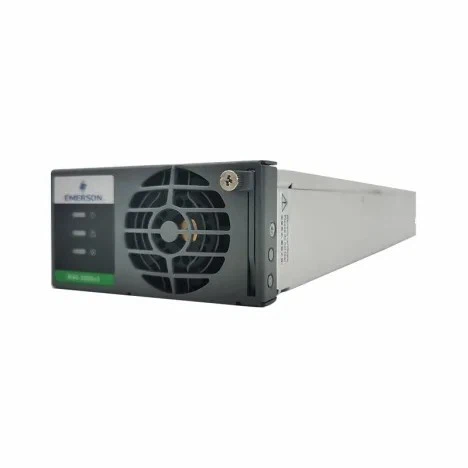
Circuit breakers are used to interrupt the flow of current in the event of a severe over - voltage. They act as a last - resort protection mechanism. When the over - voltage causes an excessive current to flow, the circuit breaker trips, disconnecting the power source from the load. This prevents further damage to the equipment. For example, in a system with Emerson R48 3000e3 Vertiv Rectifier Module R48 3000e3 48v, a circuit breaker can be installed to protect the rectifier module from over - voltage damage.
How Over - Voltage Protection Works in Practice
Let's walk through a typical scenario of how over - voltage protection works in a DC power system.
Normal Operation
During normal operation, the voltage sensors continuously monitor the voltage level in the system. The voltage is within the rated range, and the control unit does not detect any over - voltage conditions. The power flows smoothly through the system, and all electrical equipment operates as intended.
Detection of Over - Voltage
Suddenly, a lightning strike occurs near the power system. The lightning surge causes a rapid increase in the voltage level in the DC power system. The voltage sensors immediately detect this over - voltage condition and send a signal to the control unit.
Response of the Control Unit
The control unit receives the signal from the voltage sensors and compares the detected voltage with the pre - set threshold. Since the voltage exceeds the safe limit, the control unit activates the protective devices.
First, the surge arresters and VDRs come into action. They start to divert the excess current to the ground, reducing the voltage across the protected equipment. If the over - voltage persists and the current continues to rise, the control unit may trigger the circuit breaker. The circuit breaker trips, disconnecting the power source from the load, and protecting the equipment from further damage.
Recovery and Restoration
After the over - voltage event has passed, the control unit can be programmed to perform a self - check and attempt to restore the power supply. If the fault was temporary and the system components are undamaged, the control unit can reset the circuit breaker and resume normal operation. However, if there is any damage to the equipment, maintenance personnel will need to inspect and repair the system before it can be restarted.
Importance of Over - Voltage Protection for Our Customers
As a DC power system supplier, we understand the importance of over - voltage protection for our customers. Our products, such as the Vertiv Rectifier Module R48 3000e3 48v 2000w, are designed with advanced over - voltage protection features to ensure the reliability and safety of their operations.
For industrial customers, a power system failure due to over - voltage can result in significant production losses. In the telecommunications industry, over - voltage can disrupt communication networks, affecting millions of users. By providing effective over - voltage protection, we help our customers avoid these costly disruptions and ensure the continuous operation of their critical systems.

Conclusion
Over - voltage protection is a vital component of DC power systems. Through the combination of voltage sensors, control units, and protective devices, we can effectively detect and mitigate over - voltage events, protecting electrical equipment from damage and ensuring the stable operation of the power system.
As a leading supplier of DC power systems, we are committed to providing high - quality products with advanced over - voltage protection features. If you are interested in our DC power systems or need more information about over - voltage protection, please contact us for procurement and further discussions. Our team of experts is ready to assist you in finding the best solutions for your specific needs.
References
- Electric Power Systems: Analysis and Control by Claudio A. Cañizares
- Power System Protection and Switchgear by Badri Ram